What British TV Has Been Hiding in Plain Sight — And Most People Never Noticed
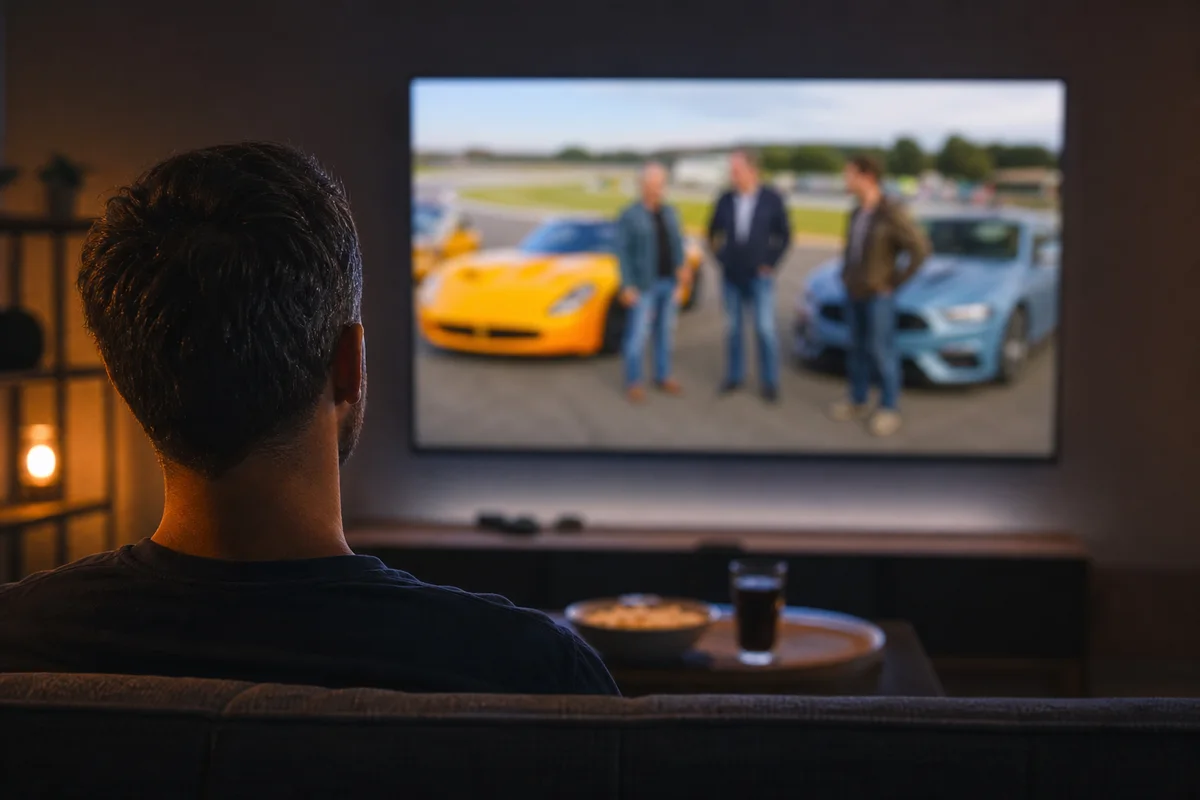
You've watched thousands of hours of British television. The news. The dramas. The football. The moments everyone talked about the next morning at work. You were there — at least, you thought you were.
The truth is, most British households are watching through a filter they don't even know exists. Not a censorship filter. A technical one. And it's been quietly stripping away detail, nuance, and the small human moments that make great television actually great — for years.
"The camera captured it. Your TV decided you didn't need to see it."
The Look Nobody Caught
Think of any major live British broadcast in the last decade. A political resignation. A championship win. A royal occasion. In the editing suite, directors cut between the main action and the room — the crowd, the colleagues, the faces of people who didn't know they were on camera.
Those faces are where the real story lives. A flicker of disbelief. A suppressed smile. The split-second before someone composes themselves. These are the frames that contain everything.
On a well-calibrated OLED screen, you see the moisture in someone's eyes before they cry. You see the micro-tension in a jaw. The slight pallor of shock. On a budget LCD panel from five years ago, you see a blurry face in the background. You feel the moment secondhand, filtered and flattened.
What your current TV is probably doing to faces
Budget LCD panels — anything with a VA or TN panel under 400 nits — compress shadow detail and crush midtones. Human faces, particularly in mixed or dramatic lighting, lose the micro-contrast that makes expressions readable. You're not imagining it: you genuinely cannot see what OLED owners see.
The Background Reactions That Rewrote the Story
British television has a long tradition of capturing the room, not just the subject. Question Time. PMQs. Live sports press conferences. Award ceremonies. In every one of these formats, the most interesting thing happening is often two rows back — or just over someone's shoulder.
Broadcast cameras shoot in resolutions and colour spaces that modern 4K TVs are finally able to actually deliver to your living room. BBC iPlayer streams in 4K with HDR. Sky Q broadcasts sport in HDR. The production quality has never been higher.
But here's what's almost universally true: the bottleneck is your television, not the content. A show graded to look stunning on an HDR-capable reference monitor arrives at your LCD panel and gets tone-mapped down to whatever the TV can manage. The detail was there. It just never reached you.
The Scenes Worth Going Back to Watch Properly
There are specific types of content where the difference between a capable TV and an incapable one is most stark:
Live drama, particularly BBC and Channel 4 originals — the recent wave of British prestige television shoots in 4K with meticulous lighting that simply does not translate on older panels. The texture of fabric. The grain of skin. The depth of a dark room with a single light source. These are OLED moments.
Premier League football in HDR — the green of the pitch, the contrast between floodlit players and the dark stands behind them, the readable numbers on shirts during fast movement. At 120Hz on an OLED or high-end Mini-LED panel, Premier League footage looks closer to being there than anything that's come before it.
State events and royal broadcasts — the BBC's outside broadcast cameras are extraordinary. The uniform detail, the ceremonial colour, the sky above London in the early morning. This content is mastered beautifully. Most households watched it through a panel that had no idea what to do with it.
"The production teams spent months getting it right. Your TV spent a fraction of a second getting it wrong."
What Changes When You Watch on the Right Screen
We're not talking about a subtle improvement. Customers who upgrade from a mid-range LED TV to an OLED consistently describe the same experience: they feel like they're watching television for the first time. Not because the content is different. Because they're finally seeing all of it.
The specific things that change:
- Faces in low light become readable — the emotion lands properly
- Dark scenes (which have become a staple of British drama) reveal their intended detail instead of becoming murky grey
- Fast motion — sport, action sequences — becomes sharp rather than smeared
- Colour feels genuine rather than approximated — the particular red of a London bus, the blue of a winter sky, the warm indoor light of a kitchen drama
None of this requires you to be a technology enthusiast. It requires only a television that can do what televisions in 2026 are actually capable of doing.
The TVs That Show You Everything
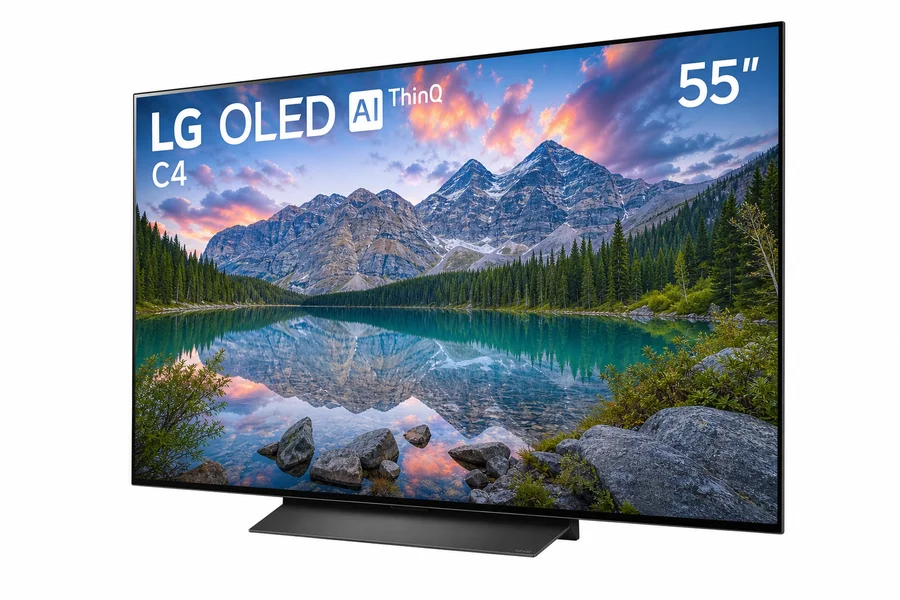
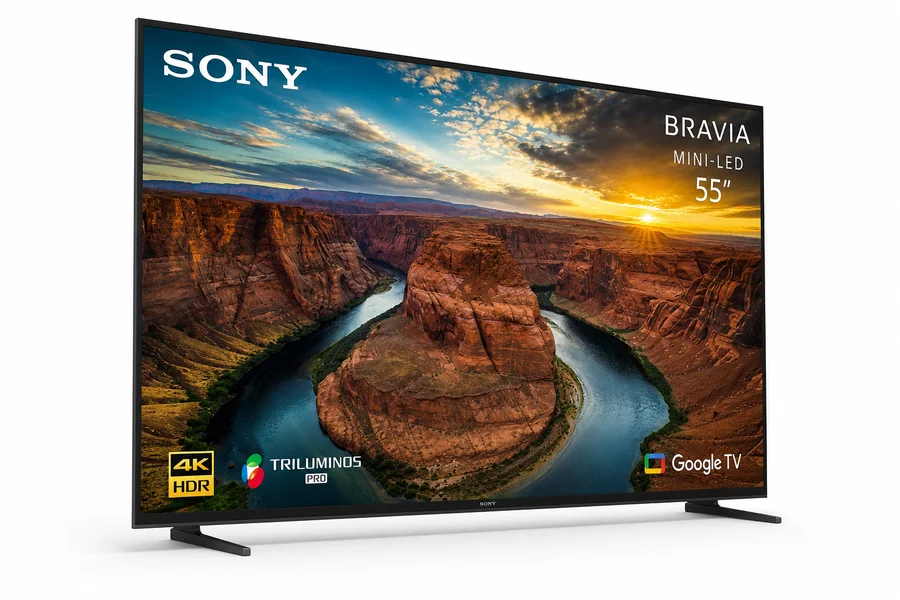
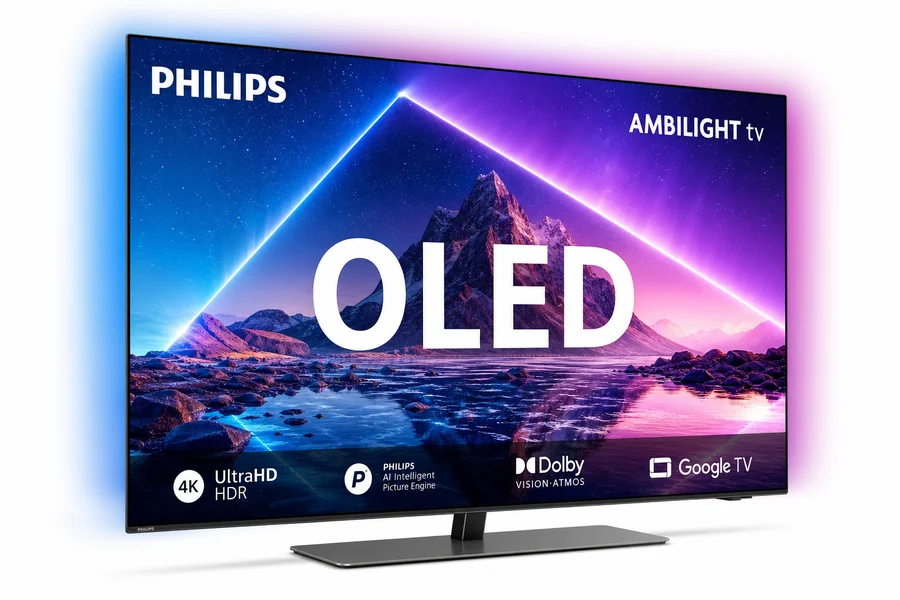
These are the screens we'd recommend for anyone who watches British television seriously — whether that's drama, sport, live events, or any combination of all three.